Fire damage rarely stays contained to where the fire actually was — smoke and soot spread through HVAC systems and settle into materials well beyond the immediate area, and water from firefighting efforts adds a second layer of damage on top. US Pro Paint & Renovation provides fire damage restoration across the South Shore, Greater Boston, and Cape Cod, handling the full process from emergency response through structural rebuilding.
We work directly with insurance companies to document damage and support your claim throughout the restoration process.
By JR Reis, Owner & President · Last updated July 2026
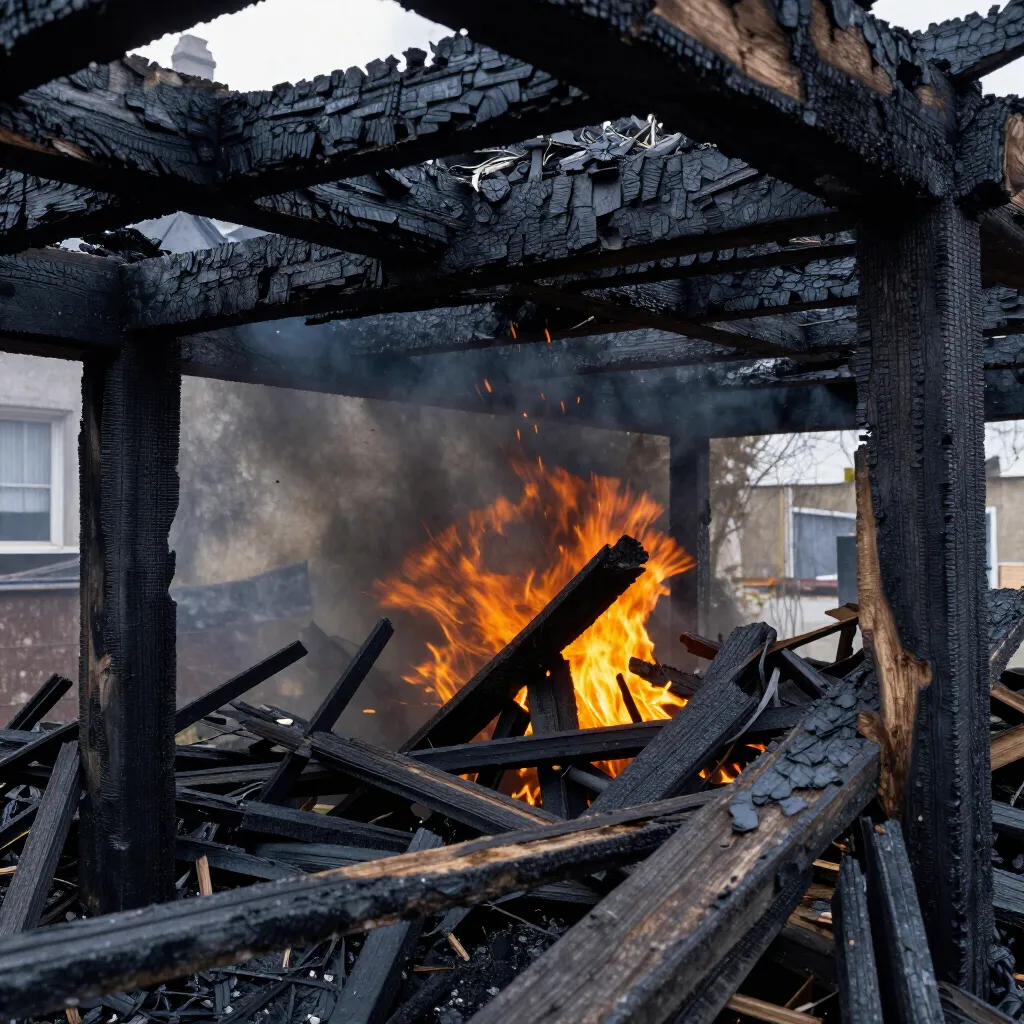

Removing smoke residue and soot from walls, ceilings, and belongings before it causes permanent staining or odor.

Rebuilding framing, drywall, and other structural elements damaged directly by fire.

Addressing the water damage that often results from fire suppression efforts, alongside the fire damage itself.

Specialized treatment to remove persistent smoke odor that basic cleaning doesn't fully address.
We respond quickly to assess the full extent of fire, smoke, and water damage.
Damage is thoroughly documented to support your insurance claim.
Any water from firefighting efforts is extracted and the area dried.
Affected surfaces are cleaned to remove residue and prevent permanent staining.
Specialized treatment addresses persistent smoke odor.
Damaged framing, drywall, and finishes are repaired and rebuilt.
Specialized treatment addresses persistent smoke odor.
We confirm the restoration meets our standards before considering the project complete.

Primary Service Area (South Shore — closest to our Hingham headquarters): Hingham, Quincy, Weymouth, Braintree, Cohasset, Scituate, Norwell, Hanover, and Marshfield.
Secondary Service Area (Greater Boston & Cape Cod): Cambridge, Newton, Plymouth, Wellesley, Needham, Dedham, and towns across Cape Cod.
Pressure washing uses high water pressure alone, which can strip paint, force water behind siding, and damage shingles. Soft washing uses low pressure combined with cleaning solutions that break down mold and algae without that risk.
Yes — it’s specifically designed to be safer than pressure washing for roofs, since high pressure can dislodge granules and shorten shingle life.
Most homes benefit from soft washing every 1–2 years, more often in shaded or humid areas prone to algae growth.
Yes — we recommend it as standard prep, since paint adheres better to a clean surface, and it’s part of our exterior painting process.
We take care to protect plants and landscaping during application, including pre-rinsing vegetation when needed.
Posted on Google
The sooner restoration begins, the better the outcome — call us for 24/7 emergency response and full restoration from assessment through rebuilding.
Get Your Free Estimate or call (617) 922-6305 — available 24/7 for emergencies.
