
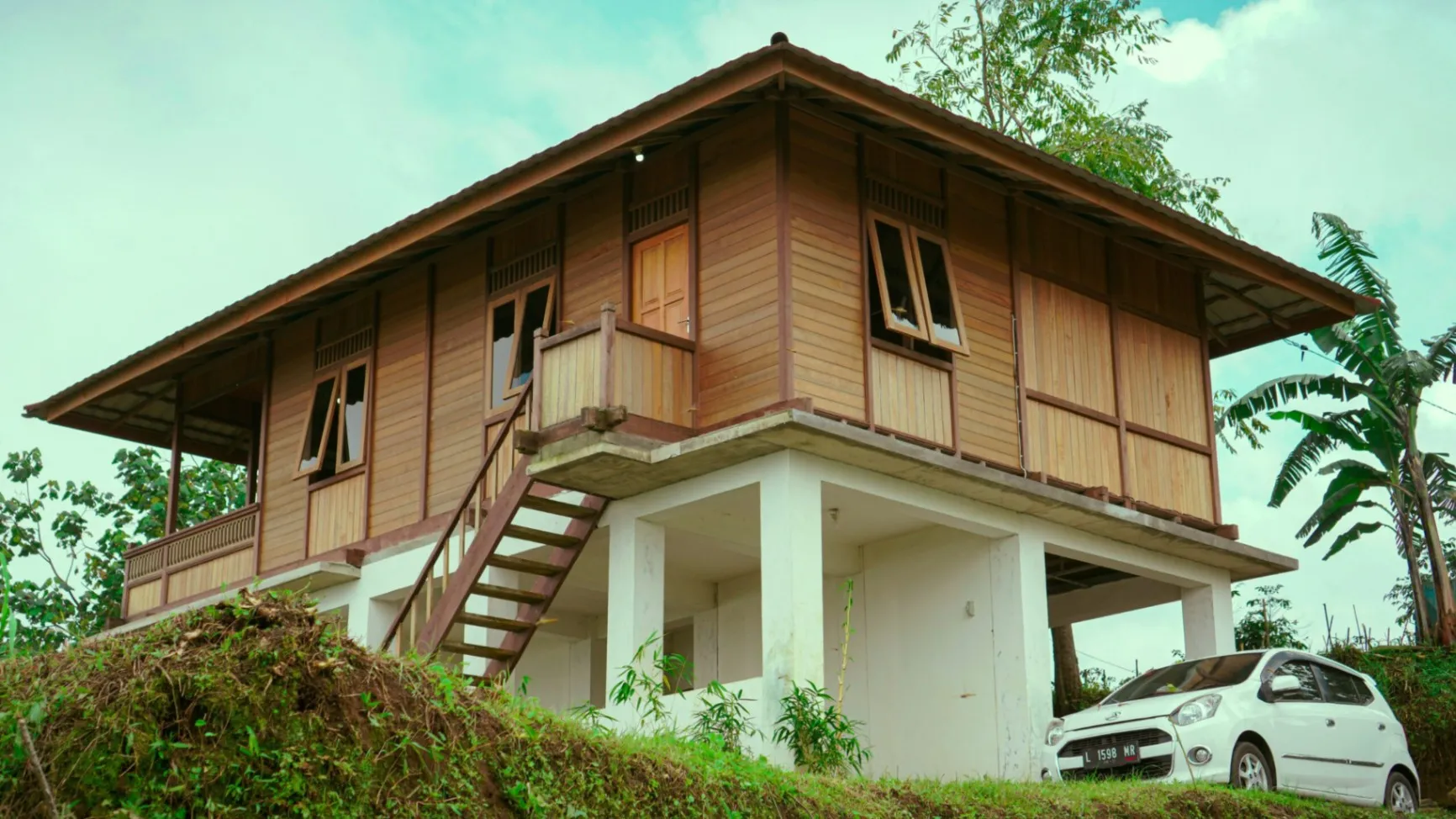
The ADU cost Plymouth County MA homeowners can expect runs $180,000 to $350,000 for a detached 600 to 900 sq ft unit. That covers a full-utility build, the most common project type across South Shore towns. Garage conversions and attached ADUs run 30% to 40% less. Nationally, ADU construction costs less on average, though projects vary widely depending on ADU type and finish level.
By JR Reis, Owner, US ProPaint & Renovation · Last updated July 2026
US ProPaint & Renovation is a licensed Massachusetts general contractor (License #186517) based in Hingham. For more than 23 years, we have built additions and ADU-style living spaces across Scituate, Norwell, Duxbury, and Plymouth County. This guide reflects both local project experience and verified Massachusetts data, not national averages alone.
Nationally, ADU builds run a wide range per square foot, and Massachusetts sits at the higher end. In Greater Boston, the city’s own planning guidance cites costs starting around $275 per square foot as a metro baseline. For Plymouth County specifically, $180,000 to $350,000 covers most detached ground-up builds, while conversions of existing structures start lower. The table below breaks down ADU construction cost by type.
ADU Type | Description | Estimated Cost (Plymouth County) |
Garage Conversion | Existing garage shell converted to livable space with plumbing, electrical, insulation, and finishes | $90,000 – $160,000 |
Attached ADU / Addition | New living space added to the primary home, sharing a wall and often utilities | $140,000 – $250,000 |
Detached ADU — Standard | Freestanding 600 to 800 sq ft cottage or backyard unit with full utilities | $180,000 – $280,000 |
Detached ADU — Custom | Larger or higher-finish 800 to 900 sq ft detached unit with site work and custom features | $280,000 – $350,000+ |
Attached ADUs converted from existing garages run 30% to 40% less than ground-up detached construction. That is because the savings come from using an existing foundation, roof, and shell rather than starting from bare ground.
First, ADU type and existing structure set the baseline. A garage conversion that already has walls, a roof, and a slab foundation costs a fraction of a new detached build. In short, every structural element already on the property reduces cost, and the inverse is equally true when nothing does.
Second, utility connections drive the number up. Extending water, sewer, gas, and electrical service from the main house to a detached ADU requires trenching, new meter setups, and sometimes a panel upgrade. Many properties in Hingham, Norwell, and rural Scituate run on septic systems. On those lots, a Title V septic evaluation and potential upgrade can add $15,000 to $30,000 to the project.
Third, site conditions and setbacks matter. Sloped lots, ledge rock, and waterfront setback requirements all affect site prep costs. For example, coastal Plymouth County towns like Cohasset and Scituate enforce additional setbacks. Those rules constrain where an ADU may sit, and sometimes require structural solutions for tighter lots.
Building an ADU in Plymouth County typically costs $180,000 to $350,000 for a detached 600 to 900 sq ft unit with full utilities. Plymouth County zoning recently expanded ADU allowances under the Massachusetts Affordable Homes Act. However, Hingham, Scituate, and Norwell each have unique setback and parking requirements that affect both where you can build and what it costs.
Here is a local worked example. Picture a 750 sq ft detached ADU on a level Hingham lot. It has a new foundation, stick-built framing, a full kitchen and bath, an independent electrical meter, and a connection to municipal sewer. That scope typically runs $240,000 to $290,000 all-in, including architectural plans, permits, site work, and a standard-finish interior. A similar project in Norwell with a septic upgrade would add $15,000 to $25,000 to that range.
Governor Healey signed the Affordable Homes Act into law on August 6, 2024. As of February 2, 2025, ADUs up to 900 sq ft are permitted by-right on single-family lots statewide. In most cases, that means no special permit, variance, or neighbor approval is required. In fact, in the first six months after the law took effect, homeowners filed 844 ADU applications across 170 Massachusetts communities, and towns approved 550 of them.
The by-right approval removes the biggest time risk from the ADU process in Plymouth County. Before the law, a project in Hingham or Norwell could face months of zoning board review. That barrier is now gone for projects within the 900 sq ft cap. Even so, each town still enforces its own setback distances, lot coverage limits, and parking rules. Those continue to shape where on a given lot an ADU can be sited.
The total cost to build an ADU is the sum of five to seven distinct budget categories. Understanding each one prevents the sticker shock that hits when an estimate arrives without context. Here is what each category typically costs for a Plymouth County detached ADU.
MassHousing launched a statewide ADU Loan Program in March 2026. It offers fixed-rate second mortgages of up to $250,000 for detached ADUs and up to $150,000 for attached ADUs to income-eligible Massachusetts homeowners. In addition, our own financing program offers options for homeowners who need to bridge the gap.
Building an ADU takes 6 to 12 months from initial design through move-in, depending on ADU type and site complexity. The timeline breaks into two distinct phases, and most delays happen in the first one.
Design, engineering, and permit applications consume the first two to four months. Your contractor coordinates the site survey, architectural plans, utility layout, and building permit submission. In Plymouth County towns, where inspectional services departments vary in staffing and review speed, permit processing can run two to eight weeks after a complete application. Meanwhile, materials with long lead times, like windows, doors, and kitchen cabinets, get ordered during this phase so they arrive in time for installation.
Ground breaks once permits clear. For a detached ADU, construction follows a set sequence. That runs from site work and foundation through rough framing, roofing and exterior envelope, rough plumbing and electrical, inspections, insulation, drywall, finishes, and final inspections. By contrast, a garage conversion moves faster because the foundation and shell already exist. Active construction typically runs eight to twelve weeks for a conversion versus fourteen to twenty weeks for a ground-up detached ADU.
A few disruptions are worth planning for. Site work and foundation involve excavation equipment on your property for one to two weeks. Utility trenching crosses the yard between the main house and the ADU. Framing and roofing are noisy but non-invasive to your primary residence. Importantly, the existing property stays fully livable throughout, so ADU construction does not require you to vacate the main home.
Before construction starts, a few tasks fall to you. Confirm the ADU location passes setback requirements with your town’s building department. Have a septic evaluation completed if your property uses a private system. Finally, lock in all interior selections for the kitchen, bath, and flooring before the permit goes in. Late changes after construction starts generate costly change orders.
Nationally, ADU builds span a wide range depending on type and finish. In Plymouth County, MA, a detached 600 to 900 sq ft ADU with full utilities typically runs $180,000 to $350,000. Garage conversions and attached ADUs cost 30% to 40% less than ground-up detached construction on the same lot.
For most Plymouth County homeowners, yes. A permitted ADU generates rental income, increases property value, and provides flexible housing for aging family members or adult children. Under the Affordable Homes Act, ADUs up to 900 sq ft are now allowed by-right statewide. As a result, the permitting process is faster and more predictable than it was before February 2025.
Yes. A fully permitted ADU adds appraised value and expands your buyer pool, because a legal ADU with rental income potential attracts investors and families seeking multigenerational living. In Plymouth County, where housing inventory remains tight, an ADU also adds a competitive advantage at resale. By contrast, unpermitted ADUs add little or no appraised value and can complicate a sale.
The 50% rule is a common zoning standard. It caps the size of an attached ADU at no more than 50% of the primary dwelling’s floor area. In Massachusetts, the Affordable Homes Act supersedes many local restrictions by allowing ADUs up to 900 sq ft by-right on single-family lots. That said, individual Plymouth County towns may still set smaller size limits or apply the 50% cap for attached units. Confirm your town’s current ordinance before designing.
Building an ADU takes 6 to 12 months from initial design through final inspection. Pre-construction, including design, engineering, and permitting, runs two to four months. Construction adds another three to six months depending on ADU type and site conditions. Garage conversions move faster, while custom detached ADUs with new utility connections take longer.
US ProPaint & Renovation, Inc. 175 Derby St STE 4 Hingham, MA 02043 Phone: (617) 922-6305 Toll Free: (800) 964-0717 MA Contractor License: #186517 Serving Hingham, Scituate, Norwell, Duxbury, Cohasset, and communities throughout Plymouth County. Schedule a free site consultation online or call (617) 922-6305.