
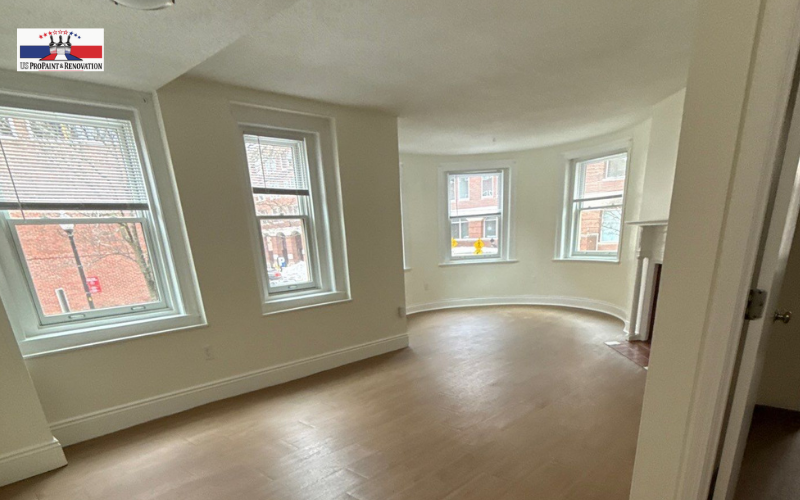
Interior painting costs in 2026 run between $2 and $6 per square foot for standard wall painting. For the average 2,000 square foot home, that puts a full interior repaint somewhere between $4,000 and $10,000 depending on wall condition, paint quality, and how much prep work the job actually needs. Most homeowners go in knowing what color they want and not much else, then the quote comes back higher than expected. That’s not a coincidence. It usually means nobody explained what drives the price before the conversation started.
US Pro Paint has helped hundreds of homeowners get transparent, written quotes for interior projects of every size, with no hidden charges and no skimping on the prep work that determines how long the job lasts. This guide covers what interior painting really costs in 2026, what pushes prices up or down, which paint finish belongs in each room, and how to find the right interior painting contractors near you before you hand anyone a deposit.
Key Takeaways
- Interior painting costs $2 to $6 per sq. ft., or $4,000 to $10,000 for an average home.
- Labor makes up about 80% of the total cost.
- Wrong paint finish in the wrong room causes early failure.
- Prep work is what makes a paint job last. Skipping it is the number one reason paint peels early.
- Always get at least three written estimates before hiring.
What Do Interior Painting Contractors Charge in 2026?
Let’s start with the number you came here for. Interior painting contractors price jobs three ways: by the square foot, by the room, or by the hour. Square footage is the most common method for full home repaints. Hourly rates work for small touch-ups. Room-based pricing is useful when a homeowner just wants one straightforward number for a single space.
Pricing Method | Typical Range |
Per square foot (walls) | $2 to $6 per sq. ft. |
Per room | $300 to $1,000 |
Hourly rate | $20 to $60 per hour |
Full interior repaint (avg. home) | $4,000 to $10,000 |
These numbers assume two coats on walls already in decent shape. Add ceilings, trim, or cabinets to the scope and the cost goes up. That’s not padding. It’s more surface area and more detail work that takes longer to do properly.
Cost by Square Footage
Square footage is the fastest way to estimate a full interior job. The ranges below reflect real pricing across different markets and project conditions.
Square Footage | Typical Cost Range |
500 sq. ft. | $1,000 to $2,500 |
1,000 sq. ft. | $2,000 to $5,000 |
1,500 sq. ft. | $3,000 to $7,500 |
2,000 sq. ft. | $4,000 to $10,000 |
2,500 sq. ft. | $5,000 to $12,500 |
3,000 sq. ft. | $6,000 to $15,000 |
The lower end applies to simpler jobs in less expensive markets using standard paint. The higher end reflects urban pricing, premium materials, or walls that need more prep. If you’re researching interior painter cost in North Andover, MA, expect pricing to sit in the mid-to-upper range depending on your home’s size and condition.
Cost by Room Type
Room size, ceiling height, and how much detail work is involved all push the per-room number up or down. Bathrooms run higher per square foot than bedrooms because of the tight spaces, fixture trim work, and moisture-resistant paint required. Kitchens with cabinetry are practically their own job category.
Room | Typical Cost |
Small bedroom (10×12 ft) | $300 to $800 |
Large bedroom or living room | $800 to $2,000 |
Bathroom | $200 to $600 |
Dining room | $300 to $800 |
Kitchen (walls only) | $500 to $1,200 |
Kitchen cabinets | $3,000 to $8,000+ |
Cost by Paint Type and Finish
Standard latex paint runs $15 to $30 per gallon and handles most interior walls fine. Enamel, oil-based, and chalk paints fall between $20 and $40. Premium brands like Sherwin-Williams and Benjamin Moore push $60 to $90 per gallon, but they cover more evenly, hold color longer, and often need fewer coats. Primer adds another $15 to $25 per gallon on top.
One gallon covers about 300 to 400 square feet. Most rooms need two coats, so plan for at least two gallons per bedroom. Choosing the cheapest paint to save $50 on a job that costs thousands rarely works in your favor.
What Paint Finish Should You Use for Each Room?
Most cost guides skip this entirely. It’s one of the most practical things to know before a project starts. Wrong finish in the wrong room means walls that scuff, trap moisture, or need repainting way sooner than they should.
Flat and Matte
Flat paint hides imperfections better than anything else. Patches, bumps, and uneven texture almost disappear under it. The downside is it doesn’t clean well. Wipe a scuff and you’ll likely just smear it around.
Best for ceilings, low-traffic bedrooms, formal dining rooms, and walls with texture issues you want to minimize.
Eggshell
Eggshell has a soft, subtle sheen and is much easier to wipe clean than flat. It’s the most popular finish for main living spaces because it holds up to daily life without showing every fingerprint.
Best for living rooms, bedrooms, hallways, and most general living areas.
Satin
Satin has a noticeable sheen and stands up well to regular cleaning and moisture. It’s the right call for high-activity rooms. One thing worth knowing: satin shows brush strokes more than flat or eggshell, so application technique matters.
Best for kitchens, kids’ rooms, playrooms, and laundry rooms.
Semi-Gloss and Gloss
The most durable and easiest to clean of all finishes. Also the most reflective, which means every surface flaw shows clearly. Most painters save these for trim, doors, and cabinetry rather than walls.
Best for trim, baseboards, doors, window frames, bathroom walls, and kitchen cabinets.
The Most Common Finish Mistake Homeowners Make
Using flat paint in a bathroom. It happens more often than you’d think. Flat finish absorbs moisture instead of repelling it, which creates mildew problems and leads to paint failure within a year. Always go satin or semi-gloss in any room that deals with steam or humidity, even if you love how flat walls look everywhere else.
Read also: Interior House Painting Ideas That Transform Your Home
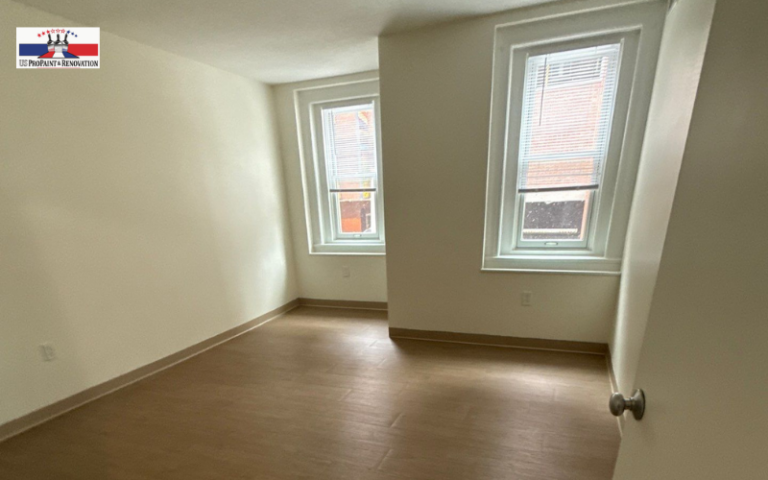
What Affects the Final Cost of Interior Painting?
The per-square-foot rate is just the starting point. Here’s what actually drives your final invoice.
Surface Condition and Prep Work
This is the factor most homeowners don’t account for, and it matters the most. A wall in solid shape needs basic cleaning, maybe light sanding, and primer where a repair was made. A wall with cracks, stains, heavy texture, or layers of old paint needs a lot of work before any finish coat goes on.
Skim coating to smooth heavy texture adds $1 to $3 per sq. ft. Drywall repairs for a typical home average around $600. If your walls are rough or haven’t been touched in years, build that into the budget upfront.
Why Prep Work Is the Whole Game
Most paint failures aren’t a paint problem. They’re a prep problem. A crew that rushes prep delivers a job that looks fine for a year and starts peeling by year two. Any experienced interior painting contractor will spend as much time on prep as on painting, sometimes more. When a quote looks surprisingly low, prep is almost always what’s been cut.
Ceiling Height and Access
Standard 8-foot ceilings are easy. Vaulted ceilings, cathedral rooms, and open stairwells require ladders, scaffolding, and more time at awkward angles. That adds labor cost. It’s not an upcharge. It’s the real cost of working safely in taller spaces.
Number of Colors and Coats
Going from a deep color to something light doesn’t happen in one coat. It usually needs primer plus two finish coats to fully cover without bleed-through. Multiple accent colors in one room means more masking, more careful cutting at transitions, and more cleanup between colors. Every extra coat adds time and material.
Trim, Doors, and Cabinetry
Rolling a wall is fast. Brushing trim is slow. It takes steady hands, clean tape lines, and multiple passes to get right. Most interior painting contractors charge $50 to $200 per door or trim section. Cabinet painting runs $6 to $12 per sq. ft. because each surface needs sanding, deglossing, priming, and careful finish coats to hold up to daily use.
Hidden Costs Most Homeowners Don’t See Coming
A good contractor flags these before work starts. A less careful one brings them up once you’re already committed.
Drywall repairs. Nail holes are standard prep. Water damage, large holes, or popped seams are not. Budget $600 or more if your walls haven’t been looked at in years.
Skim coating. Want smooth walls but dealing with heavy texture? Skim coating is the only way there. It adds $1 to $3 per sq. ft. and should be its own line item in any honest quote.
Lead paint testing. Homes built before 1978 may have lead under the current layers. The EPA strongly recommends testing before any sanding begins. Testing runs $200 to $500. Don’t skip it.
Furniture moving. Some contractors include it. Others charge $50 to $500 extra. Clarify before the crew shows up.
Specialty finishes. Limewash, textured coatings, and color-shifting paints cost more per gallon and take longer to apply. If you’re going beyond standard paint, get it priced out as a separate line item.
DIY vs. Hiring Interior Painting Contractors
Factor | DIY | Professional |
Paint and materials | $200 to $600 per room | Often included in quote |
Labor cost | $0 (your time, 10 to 20 hrs per room) | $250 to $800 per room |
Tools and equipment | $100 to $300 upfront | Included |
Time required | 1 to 3 weekends per room | 1 day per room |
Finish quality | Depends on skill level | Consistent, professional grade |
Durability | Variable | Longer-lasting with proper prep |
DIY works for one accent wall or a small room you’re comfortable tackling. For full rooms, whole home interiors, trim, cabinetry, or walls that need real repair first, hiring a professional is almost always worth it. The quality difference is real. You see it in the edges, the coverage, and how the walls hold up after a year of daily life.
How to Find and Hire the Right Interior Painting Contractors Near You
Searching for interior painting contractors near me is something most homeowners do once and then wish they’d been more careful about. Finding one takes 30 seconds. Finding a good one takes a bit more effort.
Get written estimates, not phone quotes. A number over the phone is a guess. A real estimate breaks down labor, materials, coats, prep, and the paint brand being used. Verbal quotes leave too much room for “that wasn’t included.”
Ask what prep work is included. This one question separates professionals from shortcuts. If a contractor can’t clearly explain what happens before the first coat goes on, you already know what kind of job you’re getting.
Check licensing and insurance. Any legitimate interior painting contractor carries general liability insurance and a contractor’s license. Verify through your state licensing board and ask to see proof before signing.
Read reviews for specifics. Star ratings don’t tell you much. Look for reviews that mention whether the crew showed up on time, how clean the edges were, and whether the site was properly cleaned when the job was done. Angi and Google Reviews are good starting points.
Ask about paint brands. Sherwin-Williams and Benjamin Moore outperform budget alternatives in coverage and longevity. A contractor defaulting to cheap paint is saving money on your job, not theirs.
US Pro Paint does all of this right. Free written estimates, licensed and insured crew, premium materials, and a prep standard that makes the finish last. Our interior painting services cover homes of every size, and we go through the full quote with you before any work begins.
Frequently Asked Questions
How much do interior painting contractors charge per square foot?
Typically $2 to $6 per square foot for walls. The rate depends on surface condition, ceiling height, and scope. Larger jobs usually get a better rate than smaller ones.
What paint finish is best for bedrooms and living rooms?
Eggshell. It cleans up well, looks good under most lighting, and holds up to daily use. Save flat for ceilings and low-traffic formal spaces.
How long does it take to paint a house interior?
A crew of two to three painters usually wraps up a 2,000 to 2,500 sq. ft. home in three to five days, including prep, priming, and cleanup.
Is it worth hiring professional interior painting contractors?
Yes, for most projects. Pros handle prep properly, work faster, and deliver results that last. A full home interior yourself can take weeks and still not match the finish quality a professional crew delivers in a few days.
How do I prepare my home before interior painters arrive?
Move furniture away from walls, take down wall hangings, and remove outlet covers. The more access they have, the faster the job goes. Doing it yourself also avoids furniture-moving fees on the final invoice.
Conclusion
Interior painting costs in 2026 range from a few hundred dollars for one room to well over $10,000 for a large home. Every number in between comes down to prep work, surface condition, paint quality, and what’s actually in the scope. Get written estimates from at least three contractors, ask the hard questions about prep, and don’t decide on price alone. A paint job done right the first time lasts a decade. US Pro Paint is built around doing it right every time.
Get a Free Interior Painting Estimate from US Pro Paint Today
We offer free estimates for interior painting projects of any size. Every quote is written, itemized, and reviewed with you before work begins. No surprises, no shortcuts, just a finish that lasts. Contact US Pro Paint or call us at +1 (617) 639-1944 today.